Free
Second Opinion
New Patient Special: Only $99!
Includes Exam, X-Rays, & Basic Cleaning
$0 Exam and Basic Cleaning
*Insured Patients*
New Patient Offer
Enjoy a free gift at your first visit.
Share the Care
Refer a friend and you'll both receive $30 off a treatment.
New Patient Special: Only $99!
Includes Exam, X-Rays, & Basic Cleaning
New Patient Special (Only For Cibolo Location)
Free Limited Exam & X-rays


Affordable Wisdom Teeth Removal is available in just one appointment! – Includes Exams, X-Rays, and Sedation! Offer ends Dec 30, 2024.

Book An Appointment
Can Invisalign Fix Crooked Teeth in Adults? Here’s What You Need to Know
May 21, 2026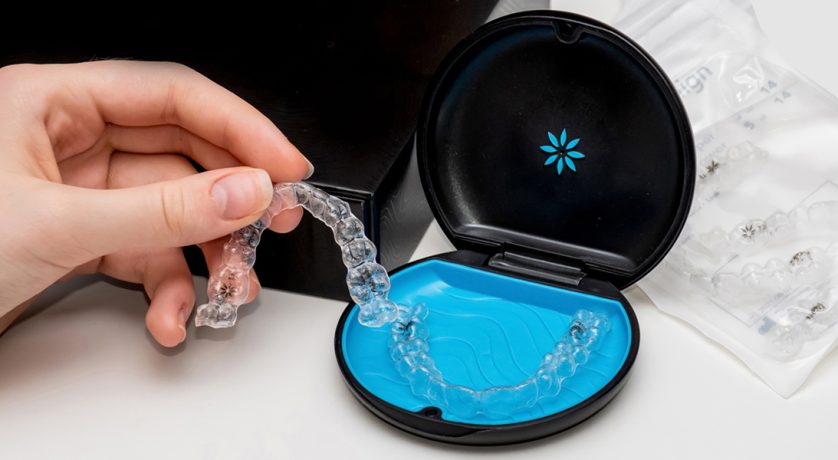
Invisalign is commonly recommended because it uses clear aligners to move teeth in small, controlled steps. Unlike fixed braces, these aligners can be removed, which allows normal brushing and eating habits. The outcome of treatment is influenced by how the teeth respond and how consistently the aligners are worn.
Why Teeth Shift Over Time
Teeth are supported by bone and connective tissue that adjust to changes in force. When this balance shifts, teeth can slowly move out of position. This often occurs after tooth loss, untreated crowding, or uneven biting pressure.
As alignment changes, certain areas become harder to clean. This can allow plaque to collect, increasing the risk of gum inflammation. Irregular contact between teeth may also lead to uneven wear or strain on the jaw.
Clear aligners apply gradual pressure to guide teeth into a more stable position. As movement occurs, the surrounding bone reshapes to support the new alignment, allowing changes to occur in a controlled and predictable way.
Can Invisalign Correct Crooked Teeth in Adults
In many adult cases, Invisalign treatment can improve mild to moderate crowding, spacing, and alignment concerns. Each aligner is designed as part of a sequence, with small adjustments built into every stage.
More complex situations may require additional planning. Teeth that are severely rotated or affected by bone loss may not respond fully to aligners alone. For this reason, a detailed evaluation is needed before starting treatment.
In clinical practice, we assess tooth position, bite function, and gum condition to determine whether aligners can produce stable results.
How Long Does Invisalign Take
A common question is how long Invisalign takes, and the answer varies from one patient to another. The timeline is shaped by the amount of tooth movement required and how consistently the aligners are worn.
For many adults, treatment lasts 6 to 18 months. Minor adjustments may be completed more quickly, while more complex cases take longer. Regular changes every 1 to 2 weeks help ensure steady progress with aligners.
The overall Invisalign treatment time is influenced by several factors, including:
- The degree of crowding or spacing
- Bite alignment and tooth position
- Bone response during movement
- Daily wear time of the aligners
Irregular use can interrupt tooth movement and extend the treatment period.
What Affects the Time for Invisalign to Work
The time for Invisalign to work is not fixed, as tooth movement depends on how the bone adapts at each stage. This process occurs gradually and must remain controlled to protect the surrounding tissue.
Adults may notice slightly slower movement compared to younger patients because bone density is higher. Other factors, such as gum health, prior orthodontic history, and daily wear habits, also influence the rate of progress.
Follow-up visits allow adjustments when needed, helping maintain steady movement and avoid delays.
What to Expect During Invisalign Treatment
Treatment begins with a digital scan that maps out each step of tooth movement. Based on this plan, a series of aligners is created to guide the process.
When switching to a new aligner, mild pressure is expected as teeth adjust to the next stage. This sensation usually settles within a few days. Aligners are temporarily removed for meals and brushing, then reinserted to resume movement.
Wearing aligners for most of the day supports consistent progress and reduces the need for additional corrections.
Risks and Limitations to Consider
While Invisalign is effective in many cases, it has limitations. Some movements, such as significant vertical repositioning or severe rotations, may not respond as predictably.
Other considerations include:
- Slower progress if aligners are not worn regularly
- Gum irritation occurs when oral hygiene is not maintained
- Additional aligners needed for refinement
A proper evaluation helps determine whether aligners are suitable or if another approach would be more effective.
Maintaining Results After Treatment
Once alignment improves, teeth can shift if they are not supported. Retainers are used to support teeth in their new position and minimize the likelihood of relapse.
Long-term stability is supported by:
- Wearing retainers as instructed
- Maintaining good oral hygiene
- Attending routine dental visits
Retention plays an important role in preserving the results achieved during treatment.
Making an Informed Decision
Choosing Invisalign involves more than straightening teeth. It requires understanding how the treatment affects function, maintenance, and long-term stability.
Dentists evaluate alignment, bite forces, gum health, and patient habits before recommending treatment. At Peak Dental – South Austin, planning focuses on controlled movement and maintaining results over time.