Free
Second Opinion
New Patient Special: Only $99!
Includes Exam, X-Rays, & Basic Cleaning
$0 Exam and Basic Cleaning
*Insured Patients*
New Patient Offer
Enjoy a free gift at your first visit.
Share the Care
Refer a friend and you'll both receive $30 off a treatment.
New Patient Special: Only $99!
Includes Exam, X-Rays, & Basic Cleaning
New Patient Special (Only For Cibolo Location)
Free Limited Exam & X-rays


Affordable Wisdom Teeth Removal is available in just one appointment! – Includes Exams, X-Rays, and Sedation! Offer ends Dec 30, 2024.

Book An Appointment
Can Dental Implants Fix a Missing Tooth Forever? What to Consider
May 1, 2026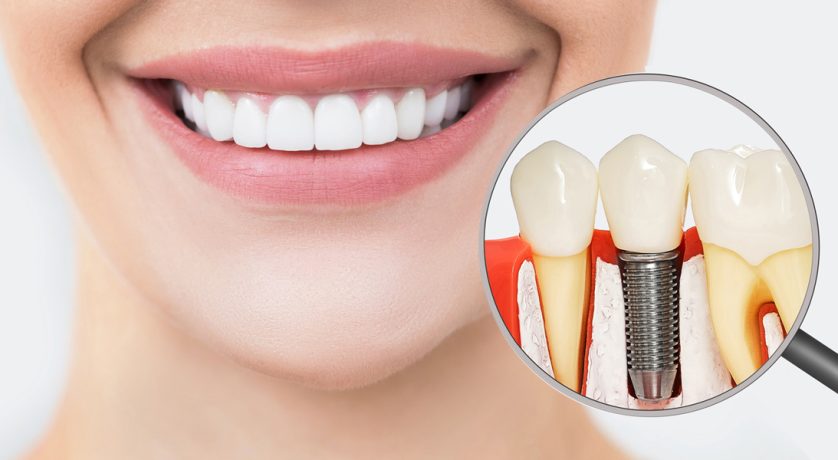
Dental implants are typically advised since they replace the entire tooth structure, including the root and crown. This allows chewing forces to be transmitted into the jawbone, helping maintain its structure. Still, how long an implant lasts depends on how the bone heals around it and how well the surrounding tissue is cared for over time.
What Changes After a Tooth Is Lost
When a tooth is missing, the jawbone in that area no longer receives regular pressure from chewing. Bone needs this stimulation to stay dense. Without it, the bone slowly reduces in volume.
As this happens, nearby teeth can begin to move into the open space. This can affect alignment and create uneven pressure when biting. Shifting teeth may also make cleaning more difficult, increasing the risk of decay and gum irritation.
An implant replaces the missing root and helps restore that lost stimulation. The bone attaches to the implant surface through a process called osseointegration, creating a stable connection. This is why many patients ask whether dental implants fix missing tooth concerns more effectively than removable options.
How Long Can Dental Implants Last
Dental implants can function effectively for many years with proper care, but their long-term success relies on healthy bone and gum support. The titanium post itself is durable, yet the surrounding tissue determines how stable it remains.
With consistent care, implants often remain functional for 15 to 25 years or longer. The crown placed on top may wear over time and may need replacement depending on how much pressure it receives during chewing.
Factors that influence how long implants last include:
- Bone quality at the time of placement
- Position of the implant within the bite
- Control of plaque and gum health
- Distribution of chewing forces
- Habits such as grinding or smoking
When these factors are well managed, implants tend to perform reliably.
Why Implants Help Preserve Bone
Other tooth replacement options do not support the jaw in the same way. Bridges rely on nearby teeth, and dentures rest on the gums without stimulating the bone underneath.
Implants transfer chewing pressure directly into the jawbone. This helps maintain bone volume and reduces long-term structural changes. Because of this, dental implants are often considered when comparing long-term solutions.
What Affects Dental Implants’ Durability
When considering dental implants’ durability, both the implant and the surrounding tissue need to be evaluated. The implant itself is stable, but the bone and gums provide the support needed for long-term success.
Healthy gum tissue forms a barrier around the implant, helping limit bacterial buildup. The bone beneath supports the implant during function. If inflammation develops, the supporting structure may weaken.
Factors that affect durability include:
- Plaque accumulation around the implant
- Gum infection or inflammation
- Uneven biting forces
- Medical conditions that affect healing
Bone loss around an implant may occur if peri-implantitis is not treated promptly. Routine dental visits help detect early changes before they become more serious.
What to Expect During Implant Treatment
Implant treatment is completed in steps to allow proper healing.
The process typically includes:
- Evaluation with X-rays or 3D imaging
- Placement of the implant into the jawbone
- Healing period for bone attachment
- Placement of the final crown
A dental implant dentist in North Austin will assess whether the available bone is sufficient or if grafting is needed before placement.
Who May Be a Suitable Candidate
Not every patient is ready for implants without preparation. A full evaluation helps determine if the conditions support long-term stability.
You may be considered a candidate if:
- There is enough bone support or the ability to rebuild it
- Gum tissue is healthy
- Oral hygiene can be maintained regularly
- Medical conditions are managed
Each case is carefully reviewed to ensure the implant functions properly under normal use.
Risks That Can Affect Implant Success
Implants have a high success rate, but certain risks should still be considered.
Possible concerns include:
- Delayed healing
- Infection around the implant
- Excessive pressure from a bite imbalance
- Wear or damage to the crown
Managing these risks involves careful planning, proper placement, and regular follow-up care.
How to Care for an Implant
Implants require consistent maintenance to protect the surrounding tissue. While they do not decay, plaque can still affect the gums and bone.
Daily care includes:
- Brushing twice a day
- Cleaning around the implant
- Attending regular dental checkups
- Managing grinding if present
Long-term success is closely linked to how well these habits are maintained.
Making an Informed Decision
Choosing implants requires evaluating bone support, bite function, and long-term maintenance. It requires understanding how the treatment will affect long-term oral health.
Dentists evaluate bone condition, gum health, bite forces, and hygiene habits before recommending implants. In some cases, other options may be more appropriate based on clinical findings.
At Peak Dental – North Austin, treatment planning focuses on restoring function while maintaining the structures that support long-term stability.